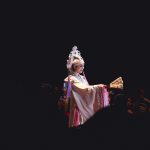

Every year during the seventh month of the lunar calendar, temporary stages pop up in open fields, car parks and spaces beside HDB blocks across Singapore. As night falls, the lights come on, the music blasts, and singers in dazzling, sequin-covered costumes belt out Hokkien and Mandarin hits to an audience of aunties, uncles, families and, according to tradition, spirits. This is getai, and it’s one of Singapore’s most distinctive forms of popular entertainment.
What is getai?
Getai (歌台) literally means “song stage”. These are live variety concerts held during the Hungry Ghost Festival, when, according to Chinese folk belief, the gates of the underworld open and spirits wander among the living. Families and communities make offerings to appease them, and getai shows are staged to entertain both the spirits and the living.
The seventh lunar month usually falls around August and September, and getai performances take place throughout the month, mostly in the evenings.
From opera to pop
Traditionally, communities staged Chinese opera during the seventh month. Over time, especially from the late 20th century, many shifted to getai. Getai was easier to stage and drew bigger crowds with popular songs, comedy and glamour. Chinese opera still features during the festival, but getai has become the season’s signature. Read our beginner’s guide to Chinese opera to compare the two.
What happens at a getai show
- Music: expect a mix of Hokkien, Teochew, Cantonese and Mandarin songs, from old classics to pop hits, often belted out with a live or backing band.
- Costumes: getai singers are famous for their extravagant outfits. Think sequins, feathers, rhinestones and towering headpieces, sometimes changed several times in one night.
- Comedy: hosts keep the crowd entertained with cheeky banter and jokes, often in Hokkien, poking fun at the audience, the singers and current events.
- Audience participation: the crowd cheers, sings along and sometimes presents gifts or garlands to their favourite performers.
- Sponsors and auctions: many getai shows are organised by community associations, temples or merchants, and some include auctions of auspicious items.
Getai etiquette
Getai is open and informal. You can usually walk up, watch for a while and leave whenever you like. A few customs matter, though:
- Don’t sit in the front row. The front row of seats is traditionally left empty for the spirits. Sit further back.
- Be respectful of offerings. Don’t step on or move offerings, incense or burning paper along the roadside.
- Keep the volume in perspective. Getai is loud. That’s part of the fun, but bring earplugs for small children.
- Ask before close-up photography of performers or the audience.
Getai stars
Getai has produced its own celebrities, singers and hosts who perform at several shows a night during peak season and have loyal fans. Some have become household names beyond getai, appearing on TV and in films. The genre has also been celebrated on screen, most famously in Royston Tan’s colourful musical comedy 881 (2007), which follows two young women chasing their dreams as getai singers. It’s one of our 10 essential Singapore films.
Why getai matters
Getai is easy to dismiss as kitsch, but it’s a genuine living tradition. It keeps Chinese dialect songs alive at a time when fewer young Singaporeans speak dialects, gives working performers a stage, and brings neighbourhoods together on warm summer nights. It’s also wonderfully inclusive: free, outdoors and open to anyone who wanders past.
Getai has also inspired artists and designers interested in Singapore’s vernacular culture. If you enjoy that crossover, read our piece on how Singapore nostalgia became a design movement.
How to find a getai show
- Look around your neighbourhood during the seventh month. Stages often appear in open spaces near HDB estates and temples.
- Follow getai groups on social media. Many performers and organisers post their schedules online.
- Ask older relatives. They often know where the best shows are.
If you’ve never been, go once. Find a seat a few rows back, soak up the noise and colour, and you’ll understand why getai has such a devoted following. For other festivals through the year, check our Singapore arts festival calendar.