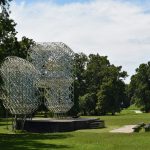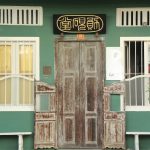

Dragon playgrounds, kopitiam cups, old-school biscuits in tin cans and the familiar shapes of HDB blocks: these everyday images have become the raw material for a whole wave of Singapore design. From illustrated tote bags to enamel pins, homeware and stationery, nostalgia is big business. It’s also an important way of remembering a city that changes faster than most.
Why nostalgia resonates
Singapore changes fast. Buildings are redeveloped, hawkers retire, schools merge and childhood haunts disappear. For many Singaporeans, the places they grew up in look very different today, or no longer exist at all. Nostalgic design captures these fleeting things and turns them into objects people can keep.
There’s also a generational element. Younger Singaporeans who grew up in the 1980s and 1990s are now designers, entrepreneurs and parents themselves. They’re looking back at their childhoods with affection and sharing those memories with their own children.
A movement takes shape
Over the past couple of decades, a growing number of local design labels have built their identity around Singapore memories. Brands such as When I Was Four turned childhood recollections of growing up in Singapore into illustrated products, and many younger designers followed with their own takes on local icons.
Museum shops, design markets and concept stores now stock a wide range of these products, from greeting cards featuring old provision shops to cushions printed with Peranakan tiles. Corporate gifts, tourism souvenirs and even government campaigns have adopted the same visual language, showing how mainstream nostalgic design has become.
Popular nostalgic motifs
- Playgrounds: the dragon, pelican and watermelon playgrounds of the 1970s and 1980s, with their mosaic tiles and sand pits.
- Food: ice ball, kueh, old-school snacks, kopitiam crockery with its green-rimmed cups, and the kachang puteh man.
- Homes: HDB blocks, letterboxes, void decks, rubbish chutes and the colourful number plates on blocks.
- Transport: old buses, trishaws, early MRT trains and the shape of classic bus stops.
- Shops: mama shops, provision stores, barbershops and old cinemas.
- Games: five stones, chapteh, zero point and marbles.
Each motif triggers a different memory, and part of the fun is spotting the details designers choose to include.
More than merchandise
It would be easy to dismiss nostalgic design as just souvenirs. But it does more than that. Nostalgic objects spark conversations between generations. A grandparent might see a print of an old provision shop and start sharing stories about what they used to buy there, how much it cost and who ran the shop. A parent might explain to a child what a dragon playground was like to play in.
In that way, these products help keep heritage alive in everyday life, not just in museums and archives. They make history personal, tactile and fun.
The risks of rose-tinted design
Nostalgia can also flatten history. Not every memory of the past is happy, and design that focuses only on charming details can skip over hardship, inequality and the reasons things changed. The best nostalgic design acknowledges this, inviting curiosity about the past rather than presenting it as perfect.
Designers also face a challenge of originality. When many brands use the same handful of icons, products can start to feel repetitive. The most interesting work digs deeper, finding lesser-known stories, places and objects to celebrate.
Where to experience it
- Design markets: local craft and design markets often feature nostalgic products and the designers who make them.
- Museum shops: shops at national museums and heritage institutions stock carefully designed local merchandise.
- Heritage galleries: spaces such as community and heritage galleries display original objects that inspired many designs.
- Old playgrounds: a few of the remaining mosaic playgrounds, such as the dragon playground in Toa Payoh, are worth a visit with the family.
- Heritage trails: the National Heritage Board’s trails through neighbourhoods point out landmarks with deep local memories.
Make your own nostalgia project
You don’t need to be a designer to capture memories. Try one of these at home:
- Family interview: ask older relatives about the places, foods and games they remember, and record their answers.
- Photo comparison: find an old family photo taken somewhere in Singapore, visit the same spot today and take a new photo from the same angle.
- Sketchbook: draw objects from your childhood from memory, then compare them with real photos.
- Memory map: draw a map of the neighbourhood you grew up in, marking favourite shops, hangouts and hiding places.
These small projects can become treasured family records, and they might even inspire the next great nostalgic design.
Remembering forward
Nostalgic design reminds us that heritage isn’t only about grand monuments. It’s also about the ordinary things that shaped daily life. By keeping those memories visible, designers help each generation understand where they came from as Singapore keeps changing.
More in Heritage & Museums and Visual Arts.