
Malay performing arts have been part of Singapore’s cultural life for centuries, long before the city had concert halls. Today they range from traditional court and folk dances to sharp contemporary theatre and indie music. The best-known showcase is Pesta Raya – Malay Festival of Arts at the Esplanade, but there’s plenty to see all year if you know where to look.
Here’s a beginner’s guide to the art forms, the festival and the companies worth following.
Pesta Raya: the festival
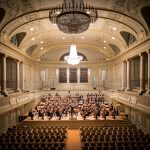
Pesta Raya is the Esplanade’s annual festival celebrating Hari Raya Aidilfitri and the arts of the Nusantara, the Malay world spanning Singapore, Malaysia, Indonesia, Brunei and beyond. It brings together theatre, dance and music from across the region, and its dates follow Hari Raya, so the festival moves earlier each year.
The 2026 edition was its 25th, running from 16 to 19 April 2026. Its line-up mixed ticketed productions with free shows around the Esplanade. They included a new Teater Ekamatra theatre commission, traditional music by Persatuan Pemuzik Tradisional Melayu Singapura on the outdoor stage, sing-along Hari Raya sessions on the concourse, and a high-energy zapin battle to close the festival. Visitors were even invited to come dressed in their Nusantara best.
The free programmes are a great entry point if you’re new to Malay arts, while the ticketed shows often accept SG Culture Pass credits. Check the Esplanade’s Pesta Raya page for the next line-up.
Art forms to know
Zapin
Zapin is a dance with Arab roots that spread across the Malay world with Islam. It features quick, light footwork, often danced in lines, accompanied by the gambus (a lute), violin and drums. Contemporary choreographers in Singapore have reworked zapin into everything from theatre pieces to street-dance-style battles.
Joget, inang and asli
These are social and folk dances with different tempos and moods. Joget is lively and flirtatious, inang is graceful and moderate in pace, and asli is slow and lyrical. You’ll often see them at weddings and community celebrations as well as on stage.
Dikir barat
Originating in Kelantan, dikir barat is a group performance where a seated chorus sings, claps and sways in unison, led by a soloist who trades witty, often improvised verses with a rival team. In Singapore it became hugely popular in schools and community groups, and competitions can be fiercely fought.
Bangsawan
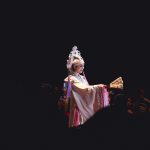
Bangsawan is Malay opera, a form of popular theatre that flourished in the late 19th and early 20th centuries. It mixes drama, song, dance and comedy, with lavish costumes and painted backdrops. Full bangsawan productions are rarer today, but companies still stage revivals and borrow its style.
Music: ghazal, keroncong and kompang
Ghazal is a poetic, romantic song form accompanied by harmonium, tabla and gambus. Keroncong has Portuguese influences and a gentle, swaying sound. The kompang, a hand drum played in groups, is the sound of Malay weddings, when the bridal procession arrives to its rhythm.
Silat
Silat is a martial art, but its graceful movements also appear in dance and theatre. Look for silat-inspired choreography in contemporary productions.
Companies and groups to follow
- Teater Ekamatra is one of Singapore’s leading Malay theatre companies. It’s known for bold, contemporary plays that tackle identity, faith and family, usually with English surtitles.
- Sri Warisan Som Said Performing Arts has trained generations of dancers and is known for colourful productions that draw on traditional Malay dance.
- Era Dance Theatre mixes traditional Malay dance with contemporary choreography.
- Orkestra Melayu Singapura performs Malay orchestral music, from traditional repertoire to popular classics.
- Persatuan Pemuzik Tradisional Melayu Singapura works to preserve and refresh traditional Malay music for younger audiences.
Malay popular culture has deep roots here too. Singapore was once the capital of Malay filmmaking, as we explored in our guide to the golden age of Malay cinema. Entertainers like Najip Ali and rappers like Akeem Jahat carry that tradition into new forms.
Where to watch beyond Pesta Raya
- The Esplanade’s Pentas series. Pentas presents Malay programmes outside Pesta Raya, so there’s something to see through the year. It has included Gemadah, a festival of traditional Malay music.
- Kampong Gelam. The historic Malay quarter hosts performances during Hari Raya and other festivals. The Malay Heritage Centre has been undergoing a revamp, so check its opening status before you visit.
- Community clubs and Malay activity executive committees. Look out for dikir barat, kompang and dance performances at heartland events.
- School and university showcases. Malay cultural groups in schools, polytechnics and universities stage annual concerts that are often impressive and inexpensive.
Tips for first-timers
- Don’t worry about the language. Most theatre productions have English surtitles, and dance and music need no translation.
- Start with something free. A concourse performance during Pesta Raya is a relaxed way to see whether you enjoy a style.
- Go with friends who know the songs. Raya sing-alongs are far more fun when someone can explain why everyone is cheering.
- Dress up a little. During the Hari Raya season, many audience members come in baju kurung, baju Melayu or songket. You don’t have to, but it adds to the festive mood.
Malay performing arts are a living tradition, constantly being remade by each generation. Pesta Raya is a wonderful place to start, but it’s only the beginning. See our arts festival calendar to plan the rest of your year.