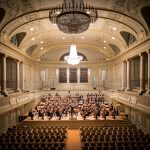

Plenty of people would like to try a classical concert but hold back. They worry about not knowing the music, wearing the wrong thing or clapping at the wrong moment. Relax. Classical audiences in Singapore are friendlier and more varied than you might think, and the rules are simpler than they look.
Here’s everything you need for a stress-free first concert.
Who to hear
Singapore Symphony Orchestra
The Singapore Symphony Orchestra (SSO) is the country’s flagship orchestra. It performs a full season of symphonic concerts, from Beethoven and Brahms to new works by Singapore composers, mostly at the Esplanade Concert Hall and its home venue, the Victoria Concert Hall. Its season also includes family concerts, film-music nights and chamber concerts by smaller groups of players. These are all good entry points.
Singapore Chinese Orchestra
The Singapore Chinese Orchestra plays music for traditional Chinese instruments such as the erhu, pipa, guzheng and suona, from classical repertoire to arrangements of pop songs and new compositions. It’s based at the Singapore Conference Hall and is a great choice if you want something different from a Western orchestra.
Community and youth orchestras
Singapore also has many amateur and youth orchestras, choirs and chamber groups. Their concerts are usually inexpensive, enthusiastic and a lovely way to support local musicians. Many of today’s professional players, such as conductor Wong Kah Chun, started in school bands and youth ensembles.
Choosing your first concert
- Pick music you might already know. Film scores, Tchaikovsky, Vivaldi’s Four Seasons or Beethoven’s Fifth are good choices, and you’ll probably recognise more than you expect.
- Look for shorter programmes. Many orchestras offer one-hour concerts without an interval, ideal for beginners.
- Try a pre-concert talk. Many concerts include a free talk before the performance that explains the music in plain language.
- Consider chamber music. A string quartet in the intimate Victoria Concert Hall lets you see every bow stroke and every glance between players.
- Be curious about new music. Singapore composers such as Diana Soh are writing exciting new work. A concert mixing old favourites with something new is often the most memorable.
Buying tickets without breaking the bank
- Look at the cheaper seats. At the Esplanade Concert Hall, good acoustics reach most of the hall, so the upper circles are often excellent value. Seats in the choir stalls behind the orchestra are usually the cheapest, and they let you watch the conductor’s face.
- Ask about concessions. Students, seniors and NSmen often get discounts.
- Use your SG Culture Pass. Many local orchestra concerts accept SG Culture Pass credits, and you can use your balance to buy tickets for friends and family.
- Catch a free concert. The SSO and other groups perform free outdoor concerts, including at the Singapore Botanic Gardens, and the Esplanade hosts free performances most weeks. Our guide to free things to do for arts lovers has more.
Concert etiquette, demystified
What to wear
There’s no dress code at most concerts. You’ll see everything from office wear to jeans. Smart casual is a safe bet. Bring a light jacket, because concert halls in Singapore are kept cool.
Arrive on time
Aim to arrive 20 to 30 minutes early so you can find your seat, read the programme and settle in. If you’re late, ushers will usually ask you to wait outside until a suitable break, often between pieces, so you don’t disturb the music.
When to clap
This is the question everyone worries about. Many classical works, like symphonies and concertos, are in several sections called movements, with short pauses in between. Traditionally, audiences hold their applause until the whole work is finished. If you’re unsure, wait until the conductor lowers their arms and turns to the audience, or simply follow everyone else. Nobody will judge you if you clap a little early. Performers are usually just happy you enjoyed it.
Phones and noise
Switch your phone off or to silent, and keep the screen dark. Most venues don’t allow photography or recording during the performance, though you can usually take a photo during the bows. Unwrap sweets before the music starts, and save coughs for the pauses if you can.
How to listen
You don’t need to know anything about music theory to enjoy a concert. A few tips help:
- Read the programme notes before the music starts. They explain what to listen for.
- Watch the musicians. Follow a melody as it passes from the violins to the woodwinds to the brass, or watch the timpanist count rests before a big entry.
- Let your mind wander. It’s fine to simply enjoy the sound and see what images or memories it brings up.
- Notice what you liked. Afterwards, look up the composer or the piece. It’s how a first concert becomes a lifelong habit.
Where to go next
Once you’ve been to one concert, try another style: a Chinese orchestra concert, a choir, a jazz night or an opera. Our guide to concert venues in Singapore explains what to expect at each hall, and the SSO website lists the current season.
Classical music isn’t just for experts. It’s for anyone who’s curious. Book a seat, sit back and let the orchestra do the work.