
Chinese New Year in Singapore isn’t only about reunion dinners, pineapple tarts and visiting relatives. It’s also the busiest season of the year for traditional arts. Lion and dragon dances fill shopping malls, lanterns light up the river, and street opera, calligraphy and Chinese orchestra concerts pop up all over the island.
Chinese New Year 2027 falls on Saturday, 6 February, the start of the Year of the Goat. Here’s a guide to the big cultural events and how to enjoy them.
Chingay Parade: Singapore’s biggest street party
Chingay began in 1973 as a Chinese New Year street parade along Jalan Besar. The name comes from a Hokkien term for the art of costume and masquerade. Today it’s billed as a people’s parade celebrating all of Singapore’s communities, with thousands of performers, huge illuminated floats, dance troupes, cultural groups and foreign contingents.
The 2027 parade takes place on 19 and 20 February 2027, with a theme built around the idea of “flow”. In 2026, the parade moved to the F1 Pit Building with a ring-shaped, 360-degree arena. Tickets cost between $20 and $60, and many people paid for them with SG Culture Pass credits. The 2026 tickets eventually sold out, so book as soon as sales open. Check the official Chingay website for venue and ticket details.
Can’t get tickets? Chingay usually takes its floats and performers to the neighbourhoods too, with heartland caravans and pop-up performances at MRT stations in the run-up to the parade.
River Hongbao: lanterns, stage shows and fireworks
River Hongbao began in the 1980s along the Singapore River. It has moved several times since and is now held at Gardens by the Bay. The 2026 edition marked its 40th anniversary, running from 15 to 24 February with giant lantern displays, nightly stage performances by local singers, an exhibition about the event’s history, carnival rides and a food street. Fireworks also returned after six years.
Entry has traditionally been free. Dates for 2027 hadn’t been announced at the time of writing, but River Hongbao usually opens just before Chinese New Year and runs for about ten days. Go on a weekday evening to avoid the worst crowds, and arrive before sunset so you can see the lanterns light up.
Chinatown light-up and street bazaar
From around mid-January, the streets of Chinatown glow with lanterns and giant zodiac sculptures. The light-up stretches across New Bridge Road, South Bridge Road and Eu Tong Sen Street, and the lights stay on until midnight. There’s an official light-up ceremony with performances, and a countdown party on Chinese New Year’s Eve.
The street bazaar along Pagoda Street, Trengganu Street and Smith Street is where people stock up on festive snacks, decorations and plants. It’s chaotic, cramped and great fun. Look out for calligraphers writing couplets on the spot. While you’re there, step into the Street Corner Heritage Galleries in long-running Chinatown shops to learn about the trades that built the neighbourhood.
Lion and dragon dances
The lion dance is the sound of Chinese New Year: drums, cymbals and gongs, followed by a lion leaping to “pluck the greens” for good luck. In Singapore, troupes perform at malls, offices, homes and temples throughout the first 15 days of the new year. The Southern lion style, with its expressive head and acrobatic moves, is most common here. Some troupes perform on high poles, known as jong, which is breathtaking to watch.
Most big malls publish their lion dance timings in advance. Arrive early for a good spot, and keep small children at a safe distance from the drums if they’re sensitive to noise.
Chinese opera, orchestra and theatre
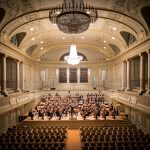
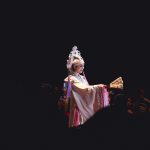
The festive season is a good time to see traditional Chinese performing arts. Chinese opera troupes stage shows in temples and community spaces, and the Singapore Chinese Orchestra usually holds a Chinese New Year concert. At the Esplanade, Huayi – Chinese Festival of Arts runs around this time with Chinese-language theatre, music and dance, plus free performances on the concourse. Many shows have English surtitles.
Arts and crafts to try
- Calligraphy and couplets. Community clubs and libraries often hold free calligraphy demonstrations and workshops.
- Paper-cutting. Learn to make traditional window decorations, often in the shape of the year’s zodiac animal.
- Lantern-making. A good activity with kids. Many museums and malls run lantern workshops in the run-up to the festival.
Tips for enjoying the season
- Plan around the public holidays. Many shops and eateries close on the first two days of Chinese New Year, but big events like River Hongbao usually stay open.
- Use public transport. Chinatown and Gardens by the Bay both have MRT stations, and roads around the events get congested.
- Dress for the heat. February is one of Singapore’s drier months, but evenings are still warm and humid.
- Bring cash for the bazaar. Most stalls accept PayNow, but some smaller vendors still prefer cash.
For the rest of the year’s big events, see our Singapore arts festival calendar. Gong xi fa cai, and enjoy the show.