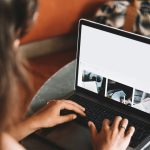

For a while, the art world lived on video calls. Residencies, artist programmes, classes, critiques and even “artist farms”, where creatives gathered to make work side by side, all moved online. It wasn’t always easy, and many artists were glad when they could return to studios and shared spaces. But the experience left behind useful lessons that apply well beyond the screen, for professional artists and anyone who makes things for fun.
1. Constraints spark creativity
Without big studios or specialised materials, artists worked with what they had at home: kitchen objects, phone cameras, bedroom walls, old magazines and cardboard boxes. Many found that limits pushed them toward new ideas. A painter might switch to small drawings; a sculptor might start working with paper; a performer might make short films.
Constraints force decisions. When you can’t do everything, you focus on what matters most. Many artists say the work they made during this time was more personal and experimental than usual.
2. Community can be built anywhere
Regular online check-ins created real friendships across countries and time zones. Artists who had never met in person shared progress, gave feedback and supported each other through difficult months. Small, consistent gatherings mattered more than big events.
The lesson: community is built through regular contact and genuine interest in each other’s work, not just through being in the same room.
3. Process is worth sharing
Livestreamed studio sessions showed audiences how art is made, not just the finished product. Viewers enjoyed seeing sketches, mistakes, decisions and techniques. Many artists still share their process online today, and some find it builds stronger connections with their audiences than posting finished work alone.
Sharing process also demystifies art, showing that it involves trial, error and hard work rather than sudden inspiration.
4. Rest is part of the work
Screen fatigue was real. Long days of video calls left many people exhausted, and the boundary between work and home blurred. Artists learned to set boundaries, take breaks and value time away from devices. Walks, reading, cooking and simply resting became recognised as part of the creative process, not distractions from it.
5. Access matters
Online formats opened doors for people who couldn’t travel or attend in person, including caregivers, people with disabilities, those living far from cultural centres and people on tight budgets. Many arts organisations now keep hybrid options for this reason, offering online talks, recorded workshops and digital exhibitions alongside in-person events.
6. New skills open new doors
Many artists learned video editing, livestreaming, digital illustration, online marketing and other skills during this period. These skills have proved useful for promoting work, teaching and collaborating, and some artists discovered entirely new directions for their practice.
7. Small audiences can be meaningful
Online events sometimes drew only a handful of viewers. But artists found that small, engaged audiences could lead to deep conversations and lasting connections. Success isn’t only measured in numbers.
Putting the lessons into practice
- Set yourself a constraint: make a work using only three materials, or finish a piece in one hour.
- Find your people: join or start a small group that meets regularly, online or offline, to share work.
- Document your process: take photos or notes as you work, and share them if you’re comfortable.
- Schedule rest: plan screen-free time and protect it.
- Think about access: if you run events or workshops, consider offering online or recorded options.
- Learn one new skill: pick a tool or technique that could expand what you make or how you share it.
Back to the studio, with new habits
Most artists are back in studios, galleries and theatres now, and in-person gatherings are thriving again. But the habits formed during the online years haven’t disappeared. Hybrid programmes, process-sharing and online communities are now part of how many artists work, and they’ve made the arts more flexible and open.
More in Visual Arts.