
When COVID-19 closed theatres, galleries and concert halls, Singapore’s artists didn’t stop creating. Instead, many turned their skills toward helping people cope, offering humour, comfort and a sense of connection when everyone was apart. Looking back, the period showed how much people rely on art in hard times, and how quickly artists can adapt.
A sudden stop
In April 2020, Singapore entered the circuit breaker, a period of strict measures that closed most workplaces, schools and public venues. For the arts, the impact was immediate. Shows were cancelled, exhibitions shut, festivals postponed and freelance work disappeared almost overnight. Many artists lost most of their income.
Yet within weeks, creative responses began to appear online, in windows and on walls.
Comics that lifted spirits
Illustrators drew comics about life during the circuit breaker: queuing for masks, working from home with children, missing hawker food with friends and learning to cut their own hair. Shared widely on social media, these drawings helped people laugh at shared frustrations and feel less alone. Some even travelled internationally, featured by design sites abroad that were fascinated by how Singaporeans were coping.
The humour was distinctly local, full of Singlish, food references and familiar scenes from HDB life. For many readers, these comics captured the period better than any news report.
Performances move online
Theatre companies, musicians and dancers experimented with livestreams, recorded performances, audio plays and video projects. Some restaged past productions for online audiences; others created new work designed for screens, from Zoom plays to dance films shot in living rooms.
While nothing replaces a live audience, these projects reached people at home, kept artists working and sometimes attracted viewers who had never been to a theatre. Some companies discovered new audiences overseas through online streaming.
Art for community care
- Thank-you art: artists created murals, posters and illustrations celebrating healthcare and essential workers.
- Letters and drawings: community projects collected artworks and messages for migrant workers in dormitories and for isolated seniors.
- Online workshops: artists and arts organisations offered creative activities for families stuck at home.
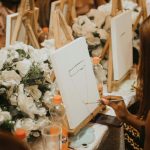
- Window art: residents decorated windows and doors with rainbows, messages and drawings for neighbours to see.
Support for the arts sector
Government agencies and arts organisations introduced support schemes to help artists and arts groups survive, including grants for digital projects and support for freelancers. Arts organisations also shared resources, from online training to mental health support. These measures didn’t replace lost income completely, but they helped many artists keep going.
Creative ways of connecting
Artists found inventive ways to reach audiences despite restrictions. There were virtual gallery tours, online art fairs, drive-in and socially distanced performances, postcard projects and audio walks people could do alone in their neighbourhoods. Some of these formats proved so popular that they continued after restrictions lifted.
What it taught us
- Art is essential: people turned to music, films, books and art to make sense of events and stay sane.
- Artists are resilient: they adapted quickly, learned new technical skills and found new audiences.
- Livelihoods are fragile: many artists depend on freelance work with little safety net, a reality the pandemic made very visible.
- Digital is here to stay: hybrid formats now give more people access to the arts.
- Community matters: art helped people feel connected when they couldn’t meet.
How you can support local artists today
- Buy tickets to local shows and exhibitions.
- Purchase prints, books, music and merchandise directly from artists.
- Share artists’ work on social media and tag them.
- Commission local creatives for gifts, events and business projects.
- Donate to arts organisations that support artists and communities.
Remembering through art
The art made during the pandemic is now part of Singapore’s record of that time. Comics, photographs, performances and community projects capture what people felt and how they coped. Years from now, they will help future generations understand what it was like to live through it.
More in Visual Arts.