
Artist residencies usually mean packing a bag, moving to a new city and making work in a borrowed studio. For weeks or months, artists immerse themselves in a new place, meet local creatives and take time away from their usual routines. When the pandemic halted travel, residencies in Singapore and around the world had to rethink everything. Many went virtual, and the experiment taught the arts community some lasting lessons.
What is an artist residency?
A residency gives artists time, space and support to develop their work. Typical residencies offer a studio, accommodation, a stipend or materials budget, and access to mentors, curators and local communities. Some focus on research, others on producing new work or collaborating with other artists. Many end with an open studio or exhibition where the public can see what was created.
For artists, residencies are valuable for networking, inspiration and professional development. They often lead to future exhibitions and collaborations.
How a virtual residency works
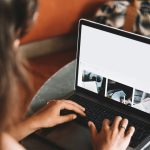
- Remote studio visits: curators and mentors meet artists over video calls to discuss their work.
- Online open studios: audiences tour works in progress through livestreams and virtual exhibitions.
- Shared digital spaces: artists in different countries collaborate on the same project using shared documents, chat groups and online whiteboards.
- Local research: artists explore their own neighbourhoods instead of a new city, often seeing familiar places with fresh eyes.
- Talks and workshops online: panels and skills sessions reach wider audiences than in-person events.
The upsides
Virtual residencies were more accessible. Artists with caregiving duties, health issues, disabilities or limited budgets could take part without relocating. Visa issues and travel costs disappeared. Artists in smaller cities or remote areas could join programmes they might never have attended in person.
They also connected Singapore artists with peers across the region in new ways. Online formats made it easy to bring together artists from several countries at once, building networks that continued long after the residencies ended.
What was lost
Many artists missed the chance encounters, physical materials and immersion that come with being somewhere new. Residencies thrive on serendipity: a conversation in a shared kitchen, an unexpected walk through a market, a local craftsperson who shows you a new technique. These moments are hard to recreate online.
Screen fatigue was real, and time zones made scheduling difficult. It was also harder to build the deep relationships that often last long after a residency ends. For artists working with physical materials like clay, metal or textiles, sharing work through a camera could never fully capture its texture or scale.
Creative responses
Some artists embraced the constraints. They made work about distance and connection, created art designed to be experienced online, or used their own homes as studios and subjects. Others focused on research, reading and planning, using the residency as time to think rather than produce.
Mail art, where artists send physical objects to each other by post, also had a revival, offering a tactile alternative to screens.
The hybrid future
Today, many residencies blend physical stays with online components, such as remote mentoring before arrival, digital showcases afterwards or online sessions for artists who can’t travel. For artists, it means more options; for audiences, more ways to see how art is made.
The pandemic years also prompted organisations to think harder about accessibility, sustainability and the carbon cost of international travel, questions that continue to shape how residencies are designed.
Tips for artists applying to residencies
- Research carefully: look for residencies whose focus matches your practice.
- Write a clear proposal: explain what you want to explore and why this residency suits you.
- Consider hybrid options: online or part-remote residencies can be a good first step.
- Plan your outcomes: think about how you’ll share what you make, online or in person.
- Stay connected: keep in touch with fellow residents; these relationships often lead to future projects.
More in Visual Arts.