
Many adults in Singapore quietly believe they “can’t draw”. Maybe a school art teacher was harsh, or life simply got busy and creativity fell off the list. The good news is that it’s never too late to start. Art classes for adult beginners are more popular than ever, and most are designed for people who have never held a brush, a lump of clay or a stick of charcoal.
Here are ten types of beginner-friendly art classes to try, plus tips on choosing one and getting the most out of your first lesson.
Why adults should take an art class
- It’s relaxing: focusing on shapes, colours and textures gives your mind a break from screens and work stress.
- It builds confidence: learning a new skill as an adult is satisfying, and you’ll be surprised how quickly you improve.
- It’s social: classes are a great way to meet people outside your usual circles.
- It changes how you see: once you’ve tried to draw a tree or paint a sunset, you start noticing light and colour everywhere.
1. Watercolour painting
Watercolour is one of the most popular starting points. The materials are portable and affordable, and beginner classes usually cover basic washes, colour mixing and simple subjects like flowers, fruit and landscapes. It can be unpredictable, which is part of the fun: happy accidents are common.
2. Acrylic painting
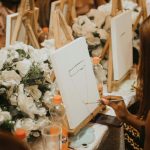
Acrylics dry quickly and are forgiving, because you can paint over mistakes. Many studios run “paint and sip” style sessions where you complete a canvas in a single evening, a fun, low-pressure introduction.
3. Pottery and ceramics
Pottery has exploded in popularity. Hand-building classes teach pinching, coiling and slab techniques, while wheel-throwing classes let you try making bowls and cups on a potter’s wheel. Expect to get messy, and be patient: pieces need drying and firing, so you’ll usually collect them a few weeks later.
4. Drawing fundamentals
If you want to build a strong foundation, a basic drawing course is invaluable. You’ll learn to observe, measure proportions, shade and draw from life. These skills carry over into every other art form.
5. Life drawing
Life drawing sessions, where you sketch a live model, are a classic way to improve observation and speed. Some sessions are guided by an instructor; others are untutored “drop-in” sessions for practice. Beginners are usually welcome.
6. Chinese brush painting and calligraphy
Chinese ink painting and calligraphy connect you with traditions that have long histories in Singapore. Classes teach brush control, ink tones and classic subjects like bamboo, orchids and plum blossoms. The emphasis on breath and rhythm makes it especially calming.
7. Urban sketching
Urban sketching means drawing on location: shophouses, hawker centres, parks and street scenes. Group sketch walks are a great way to explore neighbourhoods and meet fellow sketchers. All you need is a sketchbook and a pen.
8. Printmaking
Lino printing, screen printing and other printmaking techniques let you create multiple copies of a design. Beginner workshops often send you home with tote bags, cards or prints you’ve made yourself.
9. Digital illustration
If you prefer working on a tablet, digital illustration classes introduce drawing apps, layers, brushes and colour. It’s a practical skill for social media, small businesses and personal projects.
10. Mixed media and collage
Mixed media classes combine paint, paper, fabric and found objects. There are few rules, which makes it ideal for people who feel intimidated by realistic drawing.
How to choose the right class
- Start with what excites you: pick the medium you’re most curious about, not the one you think you “should” learn.
- Try a one-off workshop first: it’s a low-commitment way to test your interest before signing up for a longer course.
- Check class size: smaller groups mean more attention from the instructor.
- Ask what’s included: some classes include all materials; others require you to bring your own.
- Consider location and timing: a class near home or work, at a time that fits your routine, is easier to stick with.
To compare options across the island, browse a guide to art classes in Singapore that lists studios, schedules and course types in one place.
Tips for your first lesson
- Wear clothes you don’t mind getting paint or clay on.
- Arrive a little early to settle in and meet the instructor.
- Don’t compare your work with others. Everyone starts somewhere.
- Ask questions; instructors love curious students.
- Take photos of your work so you can see your progress over time.
Keep the habit going
After your first class, set aside a little time each week to practise. Keep a small sketchbook in your bag, visit galleries for inspiration and consider joining a community group. The more you make, the more confident you’ll become.
Find more creative inspiration in our Visual Arts and Things To Do sections.